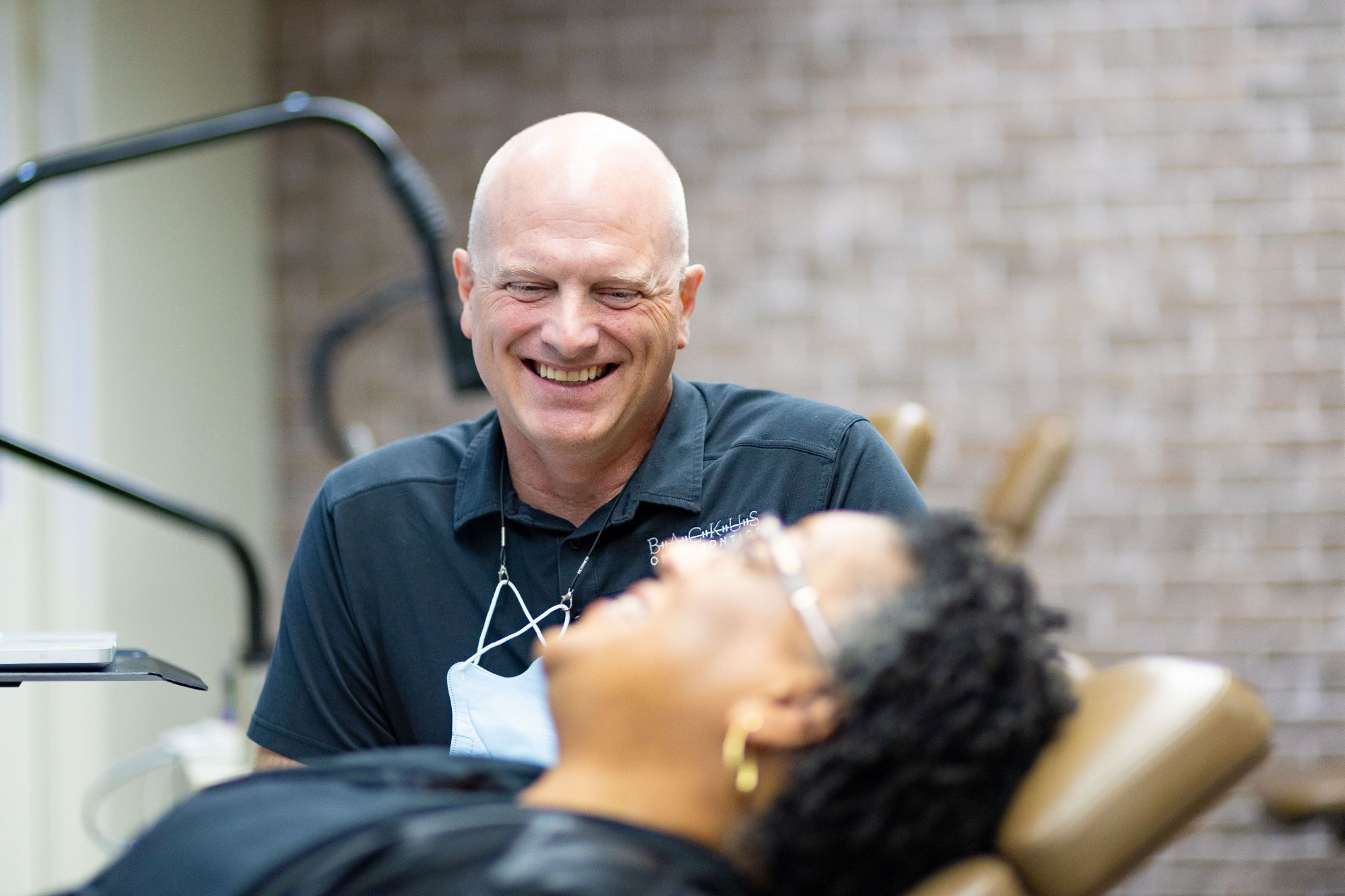
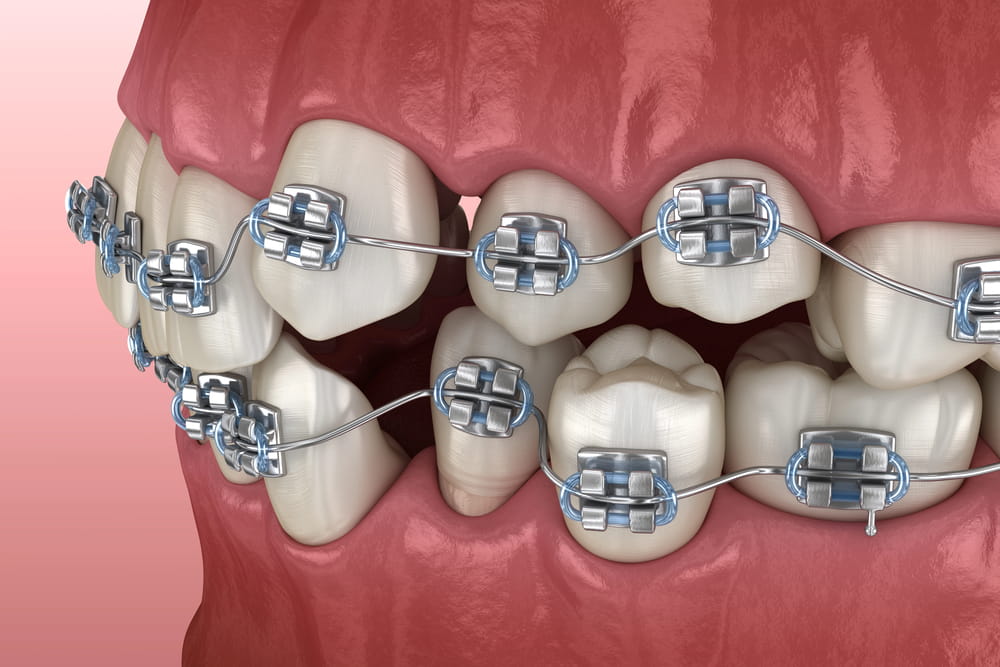
The short answer is no. There is no age at which braces stop working, and adults in their 40s, 50s, and beyond successfully complete orthodontic treatment every year. The longer answer is that treatment for adults over 40 does involve some real differences from teenage orthodontics, and understanding those differences helps patients set realistic expectations before they begin.
Why Adults Over 40 Pursue Orthodontic Treatment
The reasons adults seek braces later in life vary widely. Some had orthodontic treatment as teenagers but did not wear their retainers consistently, and their teeth have shifted over the decades. Others never had access to treatment when they were young. Some are responding to changes caused by tooth loss, dental restorations, or the natural aging process that has altered how their teeth fit together. And some simply reach a point in their lives where they are ready to address something they have wanted to fix for years.
Whatever the reason, the underlying mechanics of tooth movement work the same at 45 as they do at 15. Controlled pressure applied consistently over time moves teeth through bone. Age does not change that biology.
What Is Different About Adult Orthodontics After 40
Where adult treatment does differ from teenage treatment is in the surrounding conditions. Adults are more likely to have existing dental work, including crowns, bridges, implants, or missing teeth that affect how treatment is planned. Gum health becomes a more significant factor because adults are more susceptible to periodontal issues, and active gum disease must be addressed before orthodontic treatment begins. Adults may also move teeth somewhat more slowly than adolescents because bone density increases with age, which can extend treatment timelines modestly.
A Lake View braces consultation evaluates the full picture of a patient’s dental health before recommending a treatment approach, accounting for existing restorations, gum tissue health, bite function, and the specific alignment goals the patient wants to achieve.
What Treatment Options Look Like for Adults
Adult patients today have more options than previous generations did. The main approaches include:
- Traditional metal braces, which remain the most precise tool for complex tooth movement and work well for patients who need significant repositioning
- Clear ceramic braces, which provide the same mechanical function as metal braces with less visual prominence
- Clear aligner systems like Invisalign, which work well for many adults with mild to moderate alignment concerns and allow removal for eating and cleaning
- Retainer-based finishing options for patients who have completed prior treatment and need minor correction
The right option depends on the specific movements required, the patient’s dental history, and their goals for the finished result.
Backus Orthodontics provides orthodontic care for adult patients throughout Alabama, including treatment options and planning approaches designed for patients whose dental history is more involved than a straightforward teenage alignment case.
What to Expect From the Process
Adult orthodontic treatment typically runs anywhere from 12 to 24 months depending on case complexity, though some cases fall outside that range in either direction. Discomfort is real but manageable, particularly in the first few days after adjustments. The most common adult complaint is not pain but the time commitment to appointments and oral hygiene.
Starting Your Evaluation for Braces in Lake View
If you are in your 40s or beyond and have been wondering whether braces are still a realistic option for you, speaking with a Lake View braces provider about your specific situation is the most direct way to find out what treatment would look like and what results are achievable at this stage.