The Recommended Age Might Surprise You
The American Association of Orthodontists recommends that children have their first orthodontic evaluation around age seven. At this age, most kids still have a mix of baby and permanent teeth, which often leads parents to assume an evaluation is premature. In reality, this mixed dentition stage gives an orthodontist a clear window into how the jaw is developing and whether any emerging issues are worth monitoring or addressing early.
This guidance surprises many parents who associate orthodontic care exclusively with the pre-teen years, once most permanent teeth have already come in. Waiting until then can sometimes mean missing the window where certain developmental issues are easiest to address.
Why Early Evaluation Matters for Developing Jaws
Certain problems are far easier to correct while a child’s jaw is still growing than after growth has finished. Issues like a significant crossbite, a jaw that is noticeably too narrow, or crowding severe enough to block permanent teeth from erupting properly often respond better to early intervention. Catching these patterns at seven does not necessarily mean starting active treatment immediately, but it does mean the option to intervene early is still on the table for families considering Bessemer braces down the road.
An Early Evaluation Doesn’t Always Lead to Treatment
No, and this is one of the more common misconceptions. Many children evaluated at seven are simply monitored with periodic checkups rather than starting any active treatment right away. An orthodontist watching a developing bite over a couple of years can time treatment for when it will be most effective, rather than starting earlier than necessary or waiting until a more difficult correction is required later.
This watchful waiting approach is not a delay tactic or a way to generate future appointments. It reflects a genuine clinical judgment that some bites benefit from more time to develop before intervention makes sense, while others need attention sooner.
Signs an Evaluation Shouldn’t Wait
A few specific signs are worth bringing to an orthodontist’s attention sooner rather than later:
- Difficulty biting or chewing food comfortably day to day
- Teeth that meet in an unusual way, such as a noticeable crossbite
- Losing baby teeth very early or very late compared to same-age peers
- Jaws that shift or make sounds when opening and closing the mouth
Any of these signs on their own does not necessarily indicate a problem requiring treatment, but they are reasonable prompts for an evaluation rather than something to simply wait out until the next routine dental checkup.
What a First Evaluation Typically Involves
A first evaluation is generally quick and non-invasive, involving a visual exam and sometimes an X-ray to see how permanent teeth are positioned beneath the gumline. Most children tolerate this easily, and the appointment typically ends with either a plan for active treatment, a recommendation to monitor and return periodically, or reassurance that development looks on track.
Parents often expect this first visit to be more involved than it actually is. In most cases it takes less than an hour and leaves families with a clear next step, whether that means scheduling a follow-up in six months or simply returning for a routine check the following year.
Getting the Timing Right
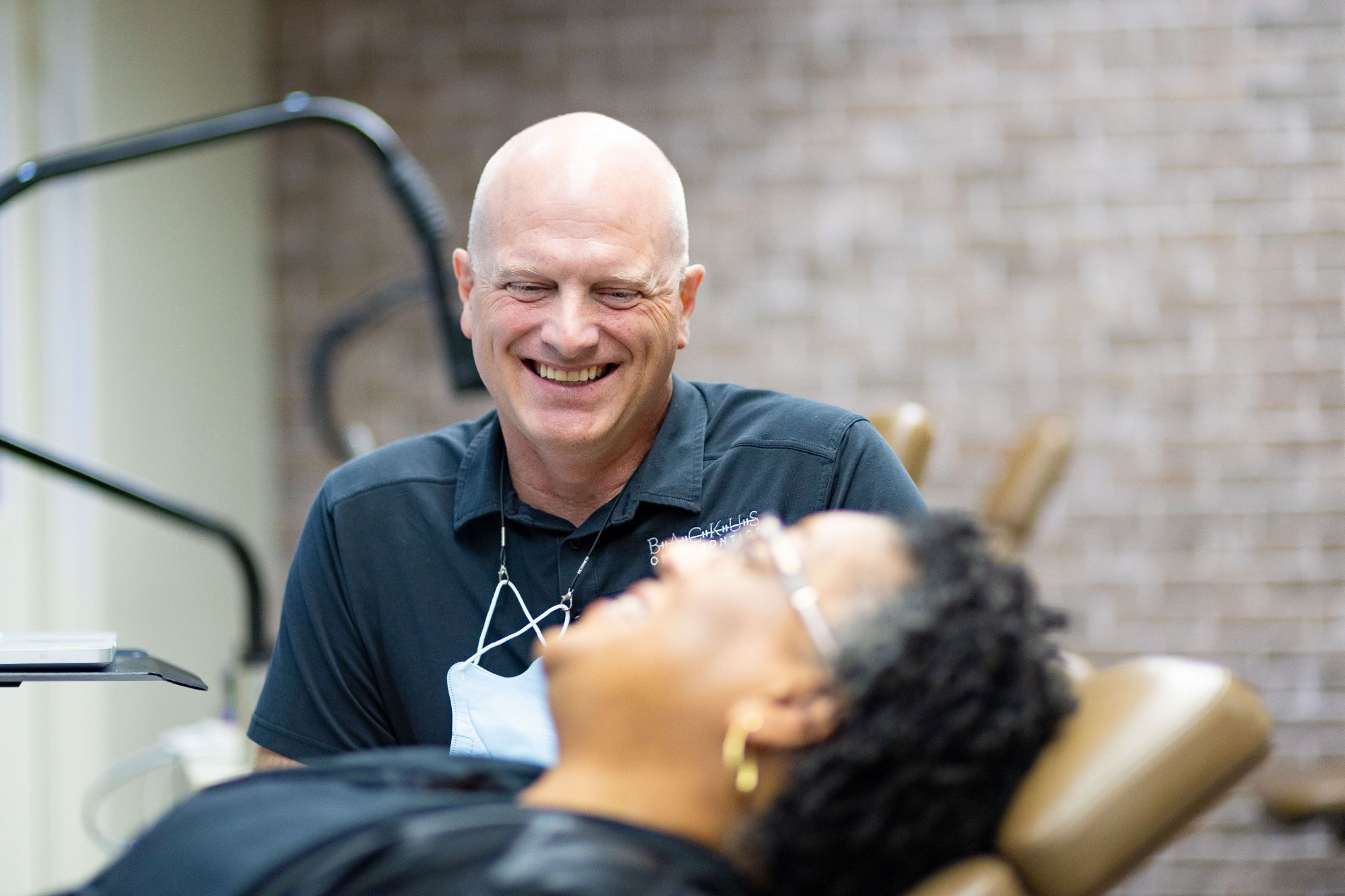
Starting the evaluation process at the right age gives families the most options and the clearest picture of what lies ahead for a child’s developing smile. Backus Orthodontics has guided families throughout the Bessemer area through exactly this kind of early evaluation process, watching development over time when immediate treatment isn’t yet needed.
Getting Bessemer Braces Planning Started
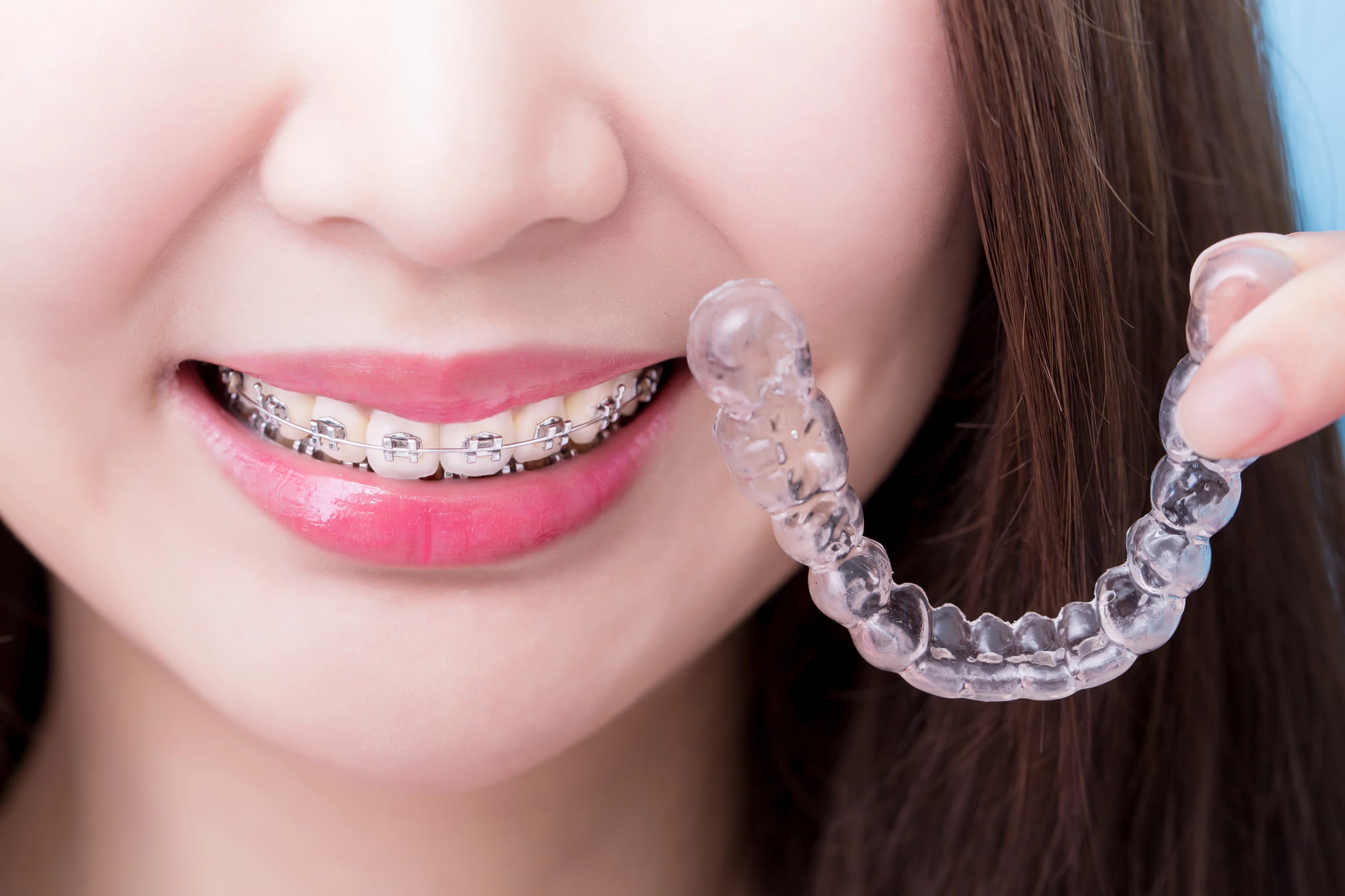
If your child is approaching age seven, or has already passed it without an evaluation, scheduling that first visit for Bessemer braces planning is a reasonable next step even if treatment turns out not to be needed yet.