Parents and adult patients alike want a straight answer to a simple question: how long will this actually take? For protruding front teeth, commonly called buck teeth or an overjet, the honest answer depends on a handful of factors that vary from one case to the next.
Why Timelines Vary So Much From Case to Case
No two overjet cases look exactly alike, which is why a Bessemer orthodontist cannot give an accurate timeline without a full evaluation first. Severity plays a major role, along with whether the protrusion comes from tooth position alone or involves the underlying jaw structure. A mild case caused by simple crowding moves through treatment very differently than one tied to a genuine skeletal mismatch between the upper and lower jaw.
What a Mild Case Typically Involves
When the overjet stems mainly from tooth position rather than jaw structure, treatment often runs somewhere in the range of twelve to eighteen months. These cases generally respond well and predictably to steady, gradual pressure, whether through braces or clear aligners, since the teeth simply need to move into better alignment without any underlying bone structure needing to change. Progress in these cases tends to be steady and visible at each check-in, which makes the original estimate more reliable than it is for more complicated situations.
What a More Complex Case Can Require
Cases involving a skeletal component take meaningfully longer and sometimes require additional tools along the way. Common factors that extend treatment time include:
- A significant mismatch between upper and lower jaw size or position
- Severe crowding that requires extraction or expansion before alignment can begin
- The need for auxiliary appliances to guide jaw growth in younger patients
- Complications that require adjusting the treatment plan partway through
In some of the more involved cases, treatment can stretch to two years or beyond, particularly when growth guidance in a younger patient is part of the plan.
How Braces and Aligners Compare on Speed
Both braces and clear aligners can correct an overjet effectively, but they are not always interchangeable in terms of speed. Braces apply continuous, fixed pressure and can sometimes move teeth more efficiently in complex cases, while aligners rely on consistent daily wear to stay on schedule. A patient who is not diligent about aligner wear time will see their treatment stretch out well beyond the original estimate, regardless of how the case was originally planned. This is one of the most common reasons a projected timeline ends up running longer than expected, and it has nothing to do with how the case was diagnosed in the first place.
Why Age Affects the Timeline
Younger patients whose jaws are still growing sometimes benefit from early intervention that takes advantage of that growth, potentially shortening overall treatment when timed correctly. Adult cases generally take a bit longer than the same correction in a growing child, since adult bone responds more slowly to the gradual pressure that moves teeth into their new position over time. This does not mean adults are poor candidates, only that expectations around timeline should account for that slower pace from the outset.
Getting a Realistic Estimate for Your Case
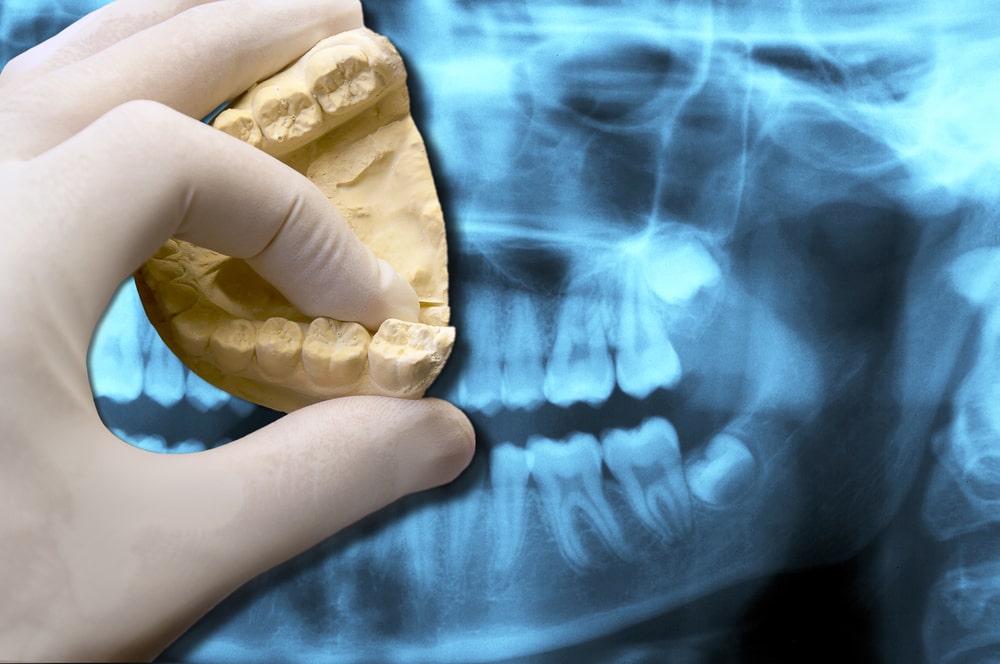
A general timeline range is useful for planning, but nothing replaces an actual evaluation for accuracy. A Bessemer orthodontist can examine bite alignment, take imaging, and provide a specific estimate based on what your case actually involves, rather than a generic number that may not apply.
Starting the Conversation
Understanding what actually drives treatment length helps set realistic expectations before committing to a plan. Backus Orthodontics evaluates every case individually, factoring in severity, cause, and patient age before giving a timeline that reflects the real situation rather than a rough guess. If you are wondering how long correcting an overjet might take, reach out to schedule an evaluation and get an answer specific to your smile.