Protruding front teeth, often called an overjet, are one of the more common reasons patients ask about clear aligners during a consultation. Whether Invisalign can actually correct the issue depends less on how the smile looks from the outside and more on what is causing that protrusion underneath.
What Actually Causes Protruding Front Teeth
An overjet describes upper front teeth that extend noticeably beyond the lower teeth, and it can come from a few different sources. Sometimes the teeth themselves are simply tilted forward, often from thumb-sucking, tongue posture, or crowding that pushed them outward over time. In other cases, the underlying cause is skeletal, meaning the upper jaw itself sits further forward than the lower jaw. That distinction matters enormously, since it determines what kind of treatment can actually fix the problem. A mild overjet caused by tooth position alone responds very differently to treatment than one rooted in how the jaw itself grew. Some clients seeking Bessemer braces evaluations initially assume the two causes look identical from the outside, when a proper exam usually tells them apart quickly.
When Clear Aligners Can Correct the Issue
Clear aligners tend to work well when the protrusion comes primarily from tooth position rather than jaw structure. Mild to moderate cases involving crowding or forward-tilted teeth often respond predictably to the gradual pressure aligners apply over the course of treatment. Cases rooted in a genuine mismatch between upper and lower jaw size are a different story, since aligners move teeth rather than reposition bone, and no amount of tray changes will correct a skeletal discrepancy on their own. In those situations, an orthodontist may recommend braces instead, or a combined approach that addresses the jaw discrepancy before or alongside straightening the teeth themselves.
Weighing the Advantages of Choosing Aligners
For the right candidate, clear aligners offer real benefits over traditional braces. Common advantages include:
- A nearly invisible appearance during the entire course of treatment
- Removability for eating, which avoids the food restrictions that come with fixed brackets
- Smoother tooth surfaces that make daily brushing and flossing more straightforward
- No metal brackets or wires that can irritate the inside of the cheeks and lips
These advantages matter most to patients who are already good clinical candidates for the treatment, since none of them compensate for a case that genuinely needs a different treatment approach entirely.
Where Clear Aligners Tend to Fall Short
Aligners are generally less predictable for large front-to-back tooth movements than they are for simple rotations or spacing corrections. Clinical research on aligner therapy has found this type of movement harder to achieve exactly as digitally planned compared to other corrections, which is why more significant overjet cases sometimes need refinement trays partway through treatment, or a switch to a different treatment approach entirely if the initial plan is not tracking as expected.
What a Candidacy Evaluation Actually Involves
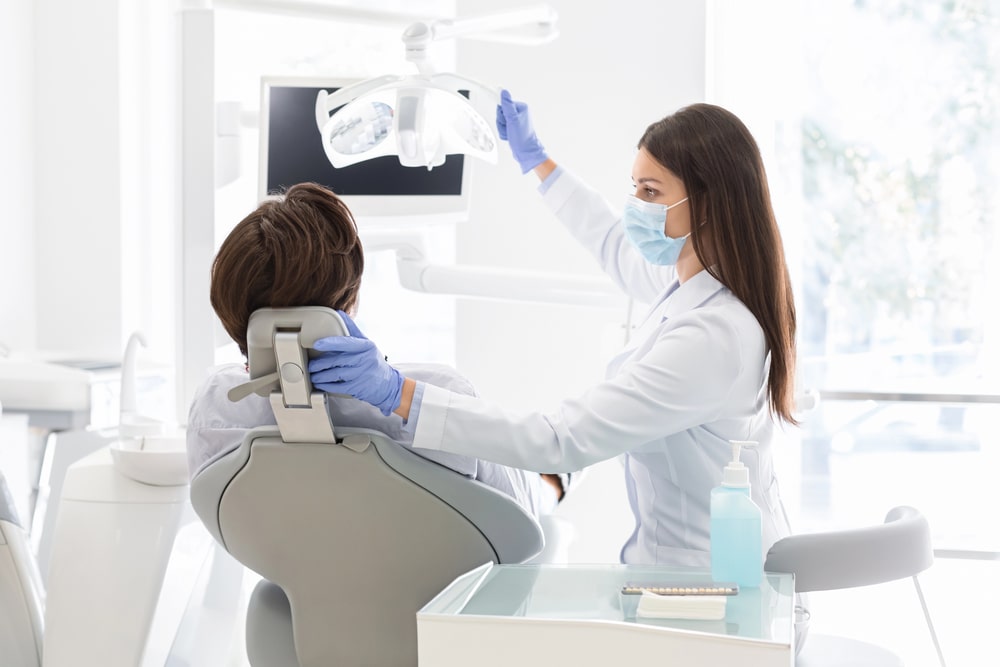
Determining whether aligners are the right fit starts with identifying exactly what is driving the protrusion in the first place. A proper evaluation for Bessemer braces or aligners typically includes a hands-on exam, digital imaging, and a measurement of the overjet itself, giving a clear picture of whether the case is tooth-based, jaw-based, or some combination of both before any treatment plan gets recommended.
Getting a Personalized Recommendation
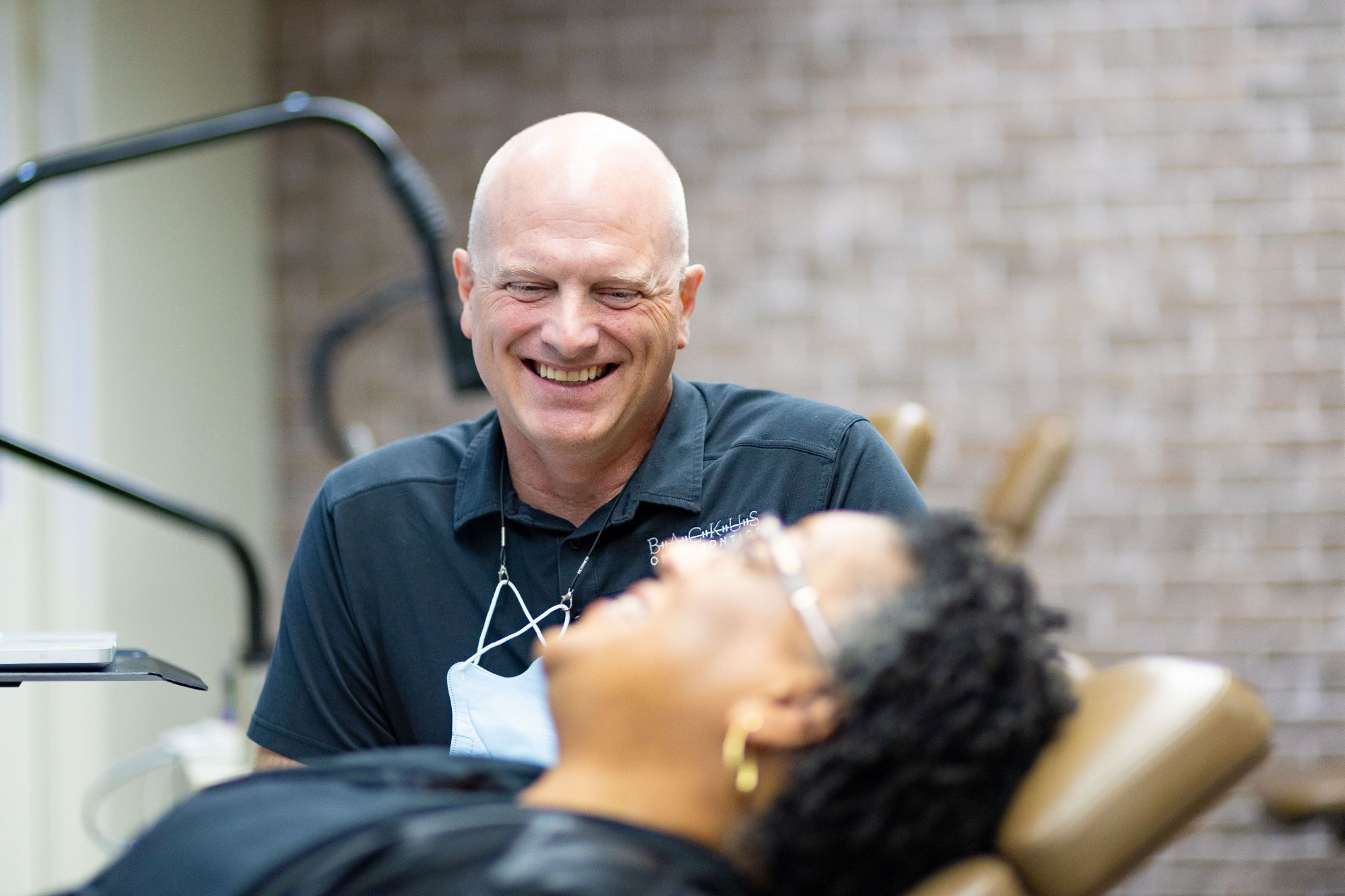
The only reliable way to know whether clear aligners will correct a specific case of protruding front teeth is a direct in-person evaluation, since photos and self-assessment rarely capture the full clinical picture. Backus Orthodontics evaluates each individual case carefully before recommending aligners, braces, or a combined approach, rather than assuming one single treatment fits every overjet. If protruding front teeth have been on your mind, reach out to schedule an evaluation and get a clear answer about what will actually work best for your particular smile.