Certain Foods Cause Most of the Problems
Sticky, hard, and chewy foods account for the majority of broken brackets and bent wires during treatment. Caramel, gum, ice, hard candy, and crunchy raw vegetables like whole carrots put direct pressure on brackets in ways they were not designed to handle. Corn on the cob and whole apples fall into a similar category unless cut into smaller pieces first, since biting directly into them concentrates force exactly where brackets are most vulnerable. Patients starting Lake View braces treatment are usually given a written list of foods to avoid at the very first appointment for exactly this reason.
Cleaning Takes More Effort Than Usual
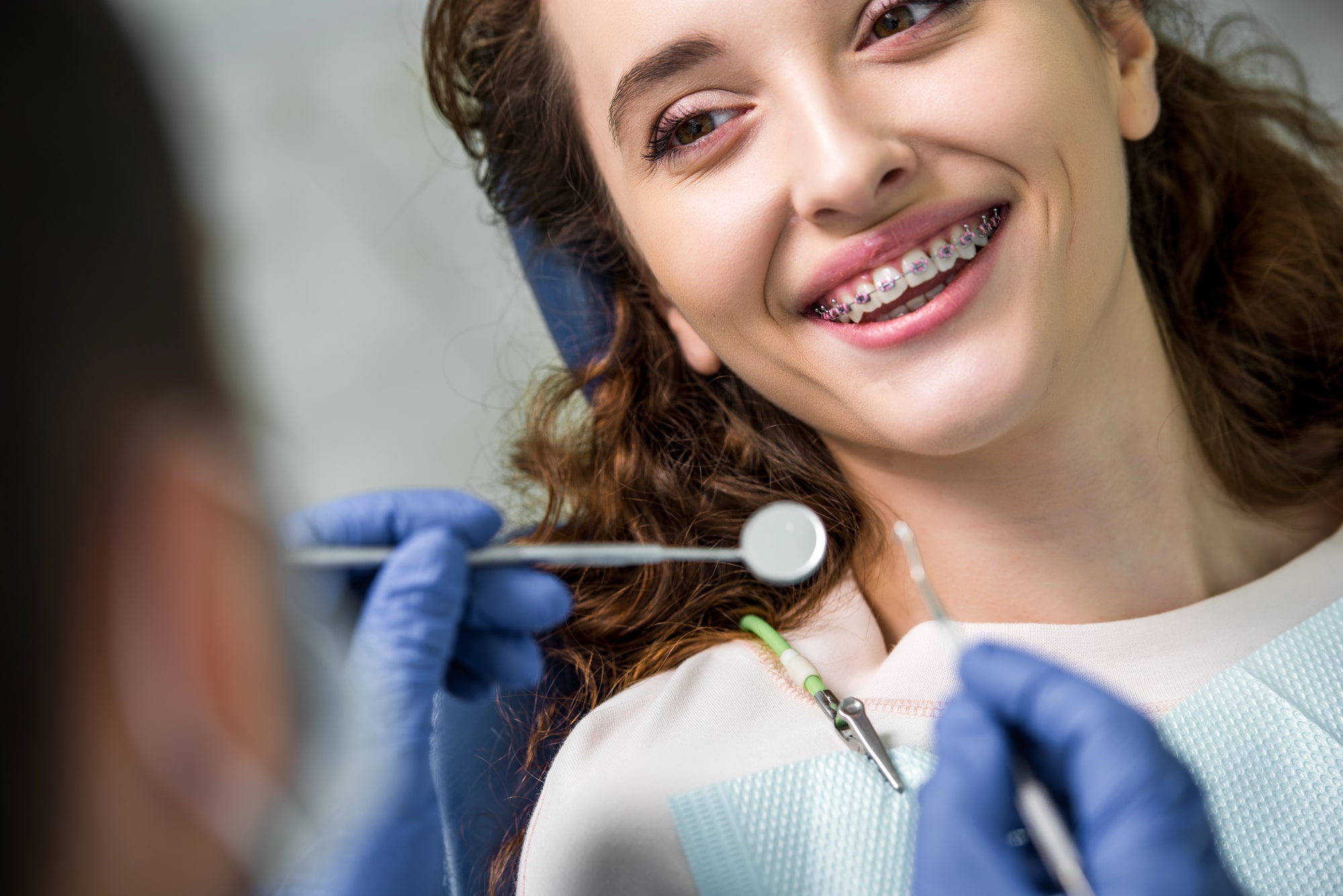
Brackets and wires create extra surfaces where food particles and plaque can collect, which means a standard brushing routine is not quite enough during treatment. Brushing after every meal, using a proper angle to clean around each bracket, and incorporating floss threaders or interdental brushes to reach beneath the wire all become part of a more thorough daily routine. Skipping this extra effort for even a few weeks can lead to visible white spots on the enamel once brackets eventually come off.
These white spots, called decalcification, are essentially early signs of enamel demineralization and do not go away on their own once treatment ends. They are entirely preventable with consistent cleaning, which is exactly why the extra effort during treatment matters more than it might seem in the moment.
A Mouthguard Matters More Than People Expect
Anyone participating in physical sports during treatment needs a mouthguard designed to fit over braces, since a standard mouthguard will not accommodate the brackets properly. An orthodontic-specific mouthguard protects both the appliance and the soft tissue of the mouth from injury during physical activity, and skipping this step risks a much more painful and costly emergency visit if an impact occurs.
Many general sporting goods mouthguards are not designed with brackets in mind and can actually push wires into soft tissue during an impact rather than protecting against it. A properly fitted orthodontic mouthguard avoids this problem entirely.
What Counts as an Actual Emergency
Most issues that come up during treatment are minor irritations rather than true emergencies, but a few situations warrant reaching out to the office before the next scheduled visit rather than waiting things out on their own:
- A wire that has come loose and is poking into the cheek or gum tissue
- A bracket that has come completely detached from the tooth surface
- Significant swelling or pain that goes well beyond the typical soreness
- Any injury to the mouth involving the appliance itself
Most of these situations can be temporarily managed at home with orthodontic wax or a clean pencil eraser to push a poking wire back into place, but the office should still be notified so a proper fix can be scheduled at the next available opening as soon as possible.
Building Habits That Actually Stick
Consistency matters more than perfection for caring for an appliance over the course of treatment. A patient who mostly follows the guidelines, with the occasional lapse, will generally do far better than one who abandons the routine entirely after the first few weeks feel tedious and repetitive to maintain.
Getting Support Throughout Treatment
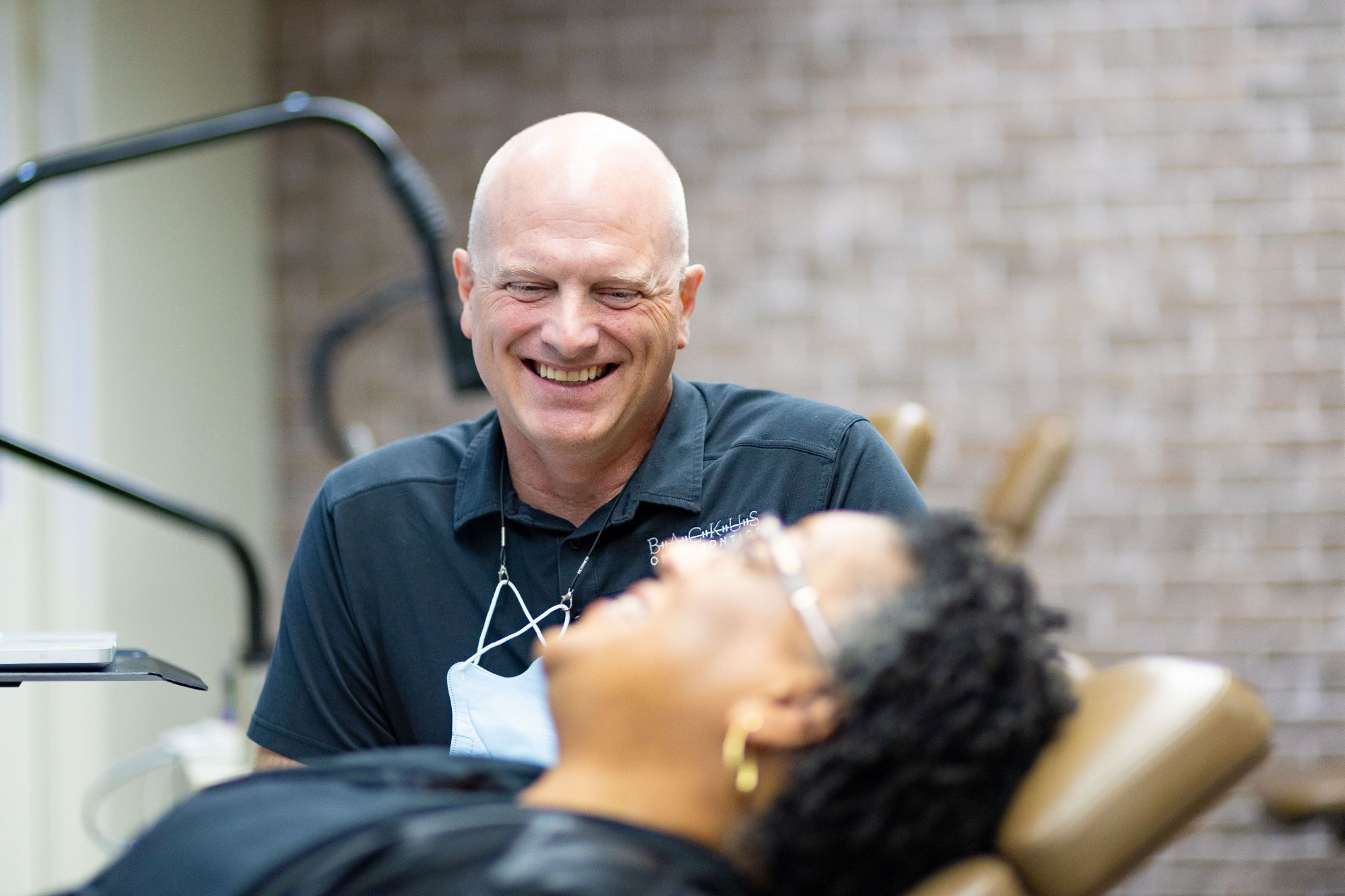
Good habits early in treatment tend to prevent most of the complications that would otherwise slow progress down. Backus Orthodontics reviews these care guidelines with every patient at the start of treatment and remains available throughout for questions that come up along the way at any point.
Getting Started With Lake View Braces
If you or your child are about to start with Lake View braces, getting familiar with these habits now sets treatment up to move as smoothly as possible from day one through the final adjustment.