Sports and braces can share the same season, as long as the mouth is protected. A hit to the face hurts more with brackets and wires in place, and the right gear makes a real difference. Athletes and parents can use the following as a practical guide.
Braces Add a Layer of Risk
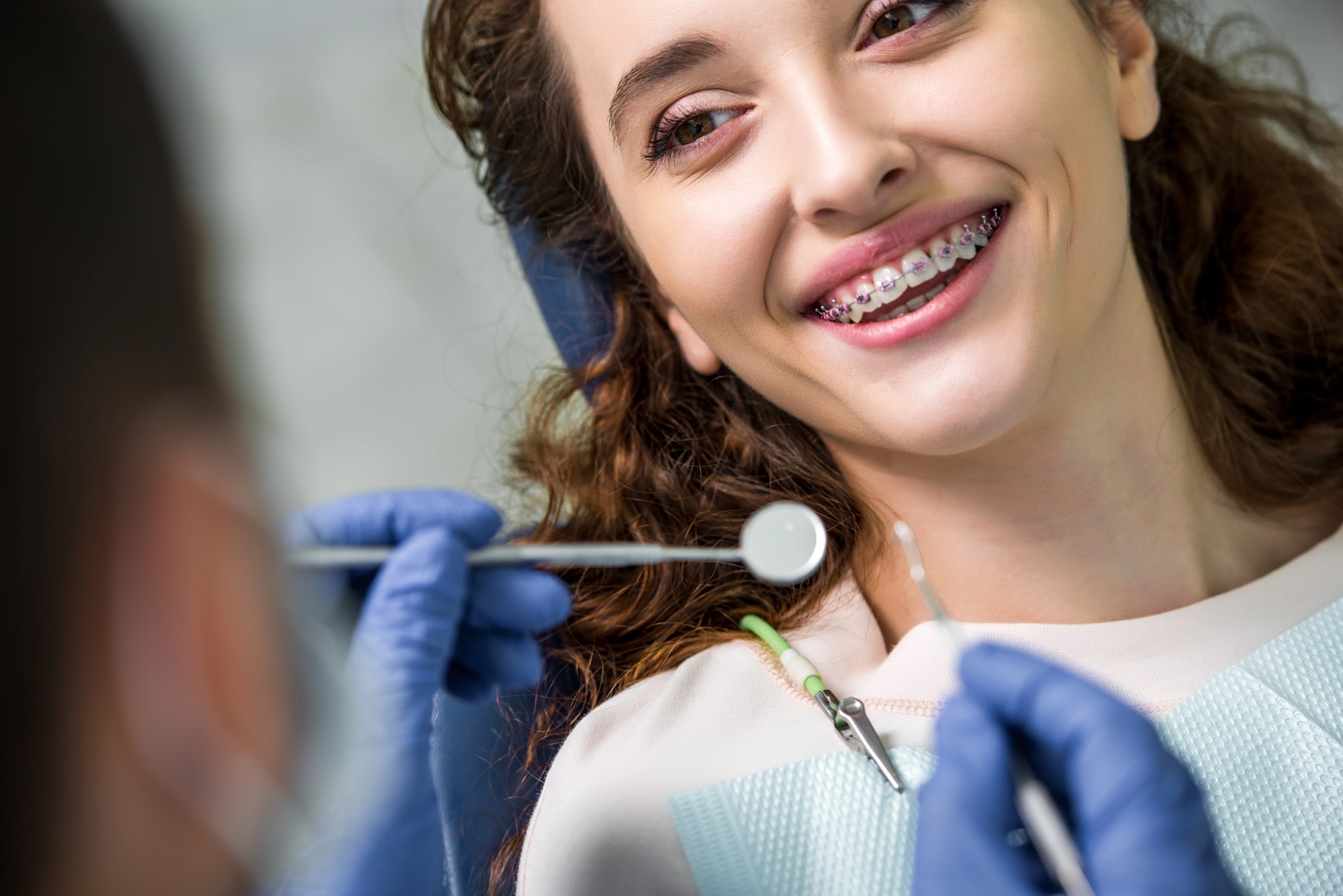
Brackets and wires sit right behind the lips and cheeks. The American Dental Association points out that a blow to the face could damage the brackets or other fixed orthodontic appliances, and that a mouthguard creates a barrier between the braces and the lips or cheeks, which helps avoid cuts to the gums and cheeks. For that reason, mouthguards belong in the gear bag of any athlete in braces.
Mouthguards Matter in More Sports Than Most People Expect
Football and hockey come to mind first, but the ADA notes that dental injuries also happen in activities such as gymnastics and skating. A collision, a fall or a stray elbow can happen in nearly any sport. Players who wear braces should treat a mouthguard as standard equipment from the first practice of the season.
Families looking into Lake View orthodontics often ask about sports early, since the answer can affect which appliance is the best fit for an active teenager.
Choosing a Guard That Works With Braces
A mouthguard has to fit over the appliances without pressing on them, and it needs to stay in place during play. A few points help when choosing one:
- The upper teeth take most of the impact, so an upper guard is the usual starting point
- Lower teeth sometimes need protection too, depending on where the braces are placed
- The guard should be comfortable enough that the athlete actually keeps it in
- The orthodontist can recommend a type that suits the appliance and the sport
The ADA suggests asking a dentist or orthodontist about the right option. That conversation is easy to have at a regular adjustment visit, and it also helps to weigh orthodontic treatments against the demands of the season, since braces, aligners and retainers each interact with a mouthguard differently.
Treatment Choices for Active Patients
Younger athletes can start with orthodontics for children, where the plan is built around growth and the sports schedule.
Teens and adults who want a less visible option can compare clear braces, keeping in mind that any appliance still needs a mouthguard.
What to Do After a Hit to the Mouth
Even with a guard, accidents happen. After any blow to the face, check for cuts inside the lips and cheeks, a bracket that has come loose or a wire that now pokes into soft tissue. Rinsing with warm water helps, and a bit of orthodontic wax over a sharp spot can make the athlete more comfortable until the appliance is fixed.
A tooth that feels loose, a chipped tooth or bleeding that does not stop needs prompt attention from a dentist. Everything else can usually be reported to the orthodontic office so that a repair visit can be arranged, which patients closer to Hoover can do through Hoover orthodontics at the nearer office.
Everyday Accidents Are Not Limited to Sports
Appliances can also be damaged away from the field, and anyone starting Lake View orthodontics will hear a short list of habits to avoid.
Pets that chew on retainers are a common example, and keeping orthodontics safe from them means putting appliances in a case and out of reach every time.
Food is another source of broken brackets, which is why many families keep a list of braces-friendly foods handy for snacks before games.
Care Close to Home
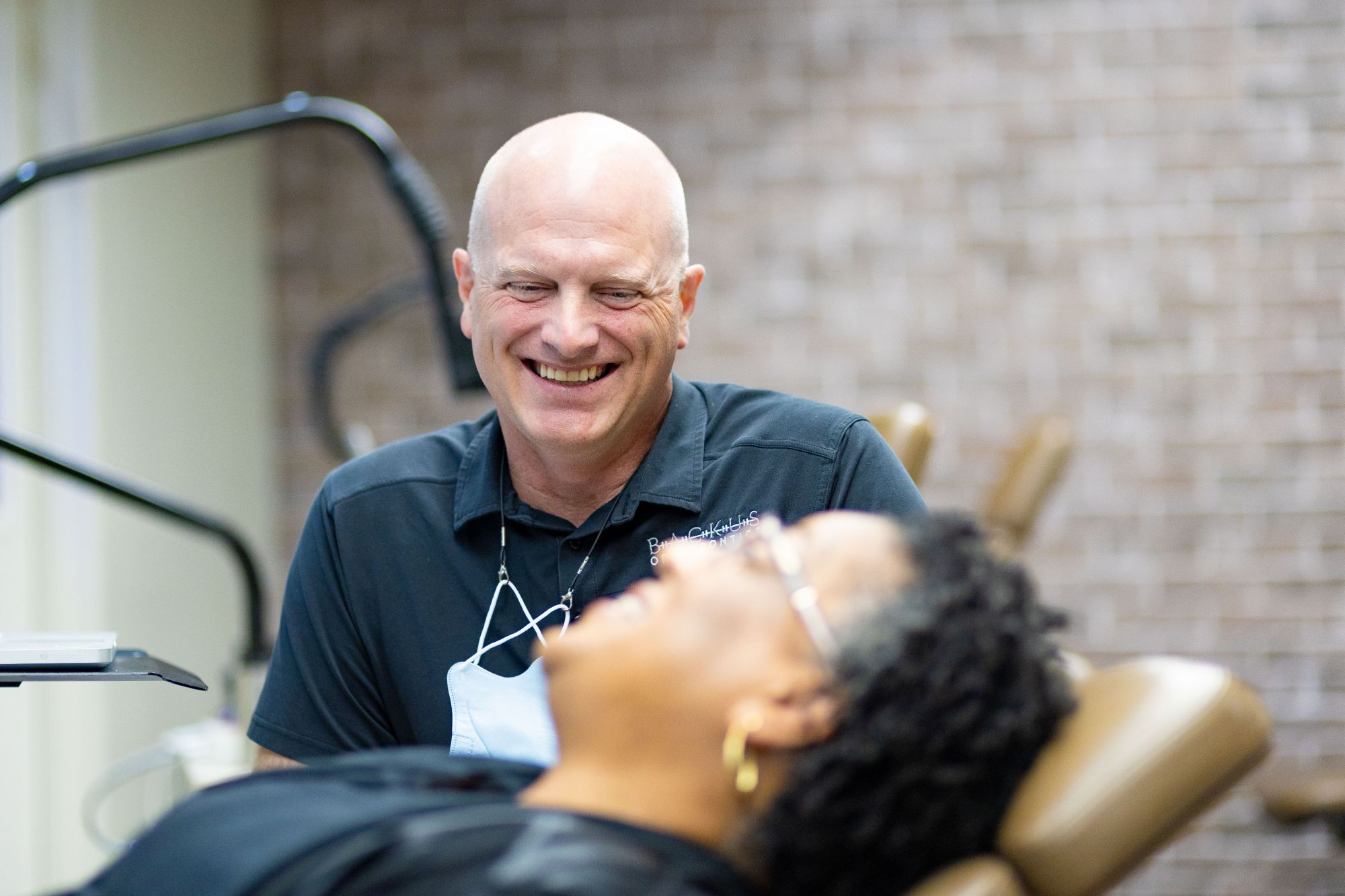
Backus Orthodontics treats patients of all ages in Hoover and the surrounding areas of Birmingham, and Dr. Jeff Backus completed his orthodontic training at the Louisiana State University School of Dentistry.
Athletes who wear braces are better off asking questions before the season begins, and anyone who wants to talk through a mouthguard, an appliance or a game schedule can reach out to the team at Backus Orthodontics to plan around all three.