
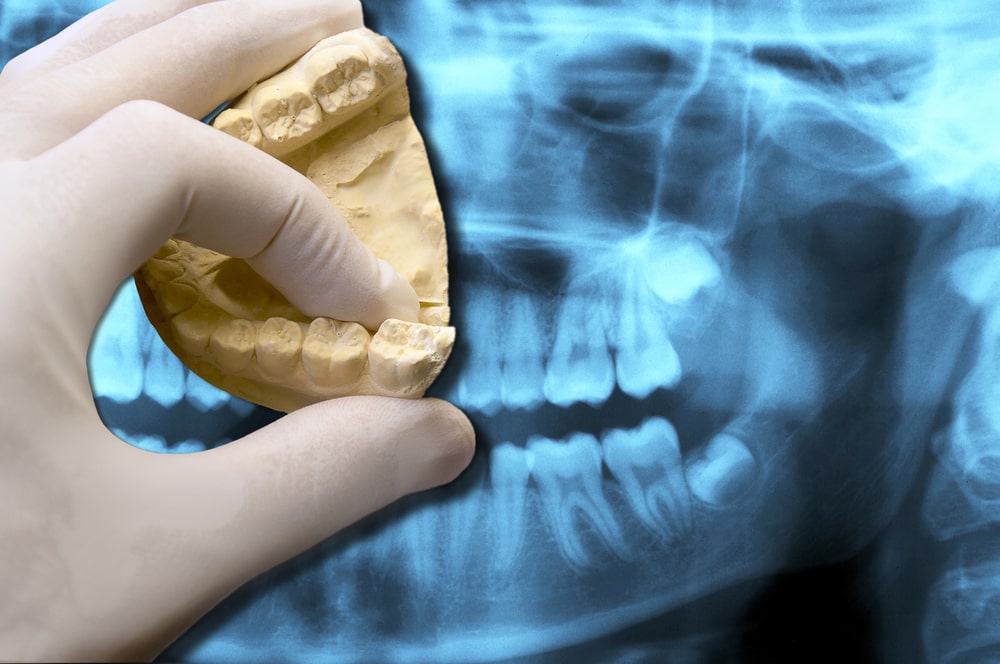
Overjet is the horizontal distance between the upper front teeth and the lower front teeth when the mouth is closed. A small amount is normal, and a larger gap changes how the teeth meet. Reading the measurement correctly is the first step toward deciding whether treatment is needed.
Overjet Is Measured in Millimeters
A dentist measures the horizontal distance between the upper and lower front teeth during an exam and may add X-rays, according to Cleveland Clinic. Normal overlap is about 2 millimeters, anything beyond that counts as overjet, and severe cases reach 8 to 10 millimeters or more.
A single number gives the orthodontist a baseline. Later measurements show whether the gap is narrowing, and the patient gets a plain way to follow progress without relying on a mirror.
Overjet and Overbite Measure Different Things
Overjet runs front to back, while overbite runs top to bottom. The same source puts a typical vertical overlap at 2 to 4 millimeters, with an overbite present when the upper teeth cover more than 30 percent of the lower ones.
A bite can have one, the other, or both. Vertical overlap is a separate question from the horizontal gap, and overbite correction with Invisalign addresses it with trays in suitable cases.
A Larger Gap Shows Up in Daily Routines
A larger gap can interfere with ordinary tasks:
- Trouble biting into or chewing firm foods
- Difficulty closing the lips fully and comfortably
- Sores on the tongue or inner cheeks from accidental biting
- Pain in the jaw, face, or teeth
- Speech that sounds different, which is rare
Any one of these signs is a reason to ask for a measurement, even when the teeth appear only slightly forward. Patients who notice a change in speech, in how comfortably the lips rest, or in how food is bitten can mention it plainly, and the clinician can record those details alongside the number. Residents interested in Helena orthodontic treatment can bring those symptoms to the first appointment so the symptoms and the number are reviewed together.
An Untreated Gap Can Strain the Jaw
Left alone, a larger gap can lead to facial pain, jaw pain, a jaw joint disorder, chronic head pain, and tooth erosion, according to the same source. Self-consciousness about appearance is a recognized effect as well.
Teeth that meet evenly spread chewing forces across more surface. When an aligned bite shares that load, the jaw joints carry less strain, which is why even a modest gap deserves a measurement.
Cosmetic Fixes Do Not Close the Gap
Bonding, veneers, and crowns can change how the front teeth appear, but the source describes them as camouflage rather than correction. Orthodontic treatment is the only way to fix an overjet, and the gap does not resolve on its own.
Planning around a truly balanced smile weighs tooth position, bite, and lip support together instead of treating the front teeth in isolation. That wider view keeps a cosmetic goal from outrunning the bite.
The First Visit Starts With a Measurement
Orthodontists measure the gap and explain it in terms of the bite during your first visit. X-rays may be added, and a written note of the number gives a baseline for later comparison.
Patients can arrive with a short list of symptoms such as sore jaw muscles, tongue sores, or trouble closing the lips. That detail saves time.
The measurement works the same way at any age, and orthodontics for children is offered at the same office. A parent who notices a front-tooth gap in a child can bring the same list of observations.
Families in Helena who are ready to start can reach out to Backus Orthodontics, where Dr. Jeff Backus completed his orthodontic training at LSU, and ask for a measurement of the gap. A baseline from the first appointment makes each later comparison simpler.